Mercedes-Benz 2026 Product Strategy: 10 New Models Detailed
Mercedes-Benz 2026 Product Strategy: 10 New Models Detailed
Mercedes-Benz is currently undergoing the most significant product and technology transformation in its storied corporate history. As the manufacturer battles a nine-percent decline in 2025 sales, it is leveraging a massive 2026 release cycle to reinvigorate its brand appeal and market competitiveness across luxury and performance sectors.
Background / Context
The German automaker, based in Stuttgart, faced a challenging 2025 where total sales reached 1.8 million vehicles, representing a notable contraction from previous periods. To counter this, leadership has committed to a comprehensive overhaul of its entire fleet. This initiative involves not just cosmetic updates, but significant technical underpinnings, including a shift toward both dedicated EV platforms and advanced combustion technology to comply with evolving global emissions standards.
The strategy encompasses the core Mercedes-Benz brand, along with high-performance AMG and ultra-luxury Maybach divisions. By diversifying its offerings—from the flagship S-Class to specialized luxury vans—the company intends to capture a broader range of consumer preferences. The effort is also marked by an internal commitment to unifying the design language across electric and combustion-powered models, ensuring a consistent visual identity regardless of the drivetrain.
Key Developments
- The S-Class flagship received a comprehensive facelift, featuring new lighting motifs, a screen-heavy interior redesign, and the introduction of a new flat-plane-crank V8 engine in the S580 variant.
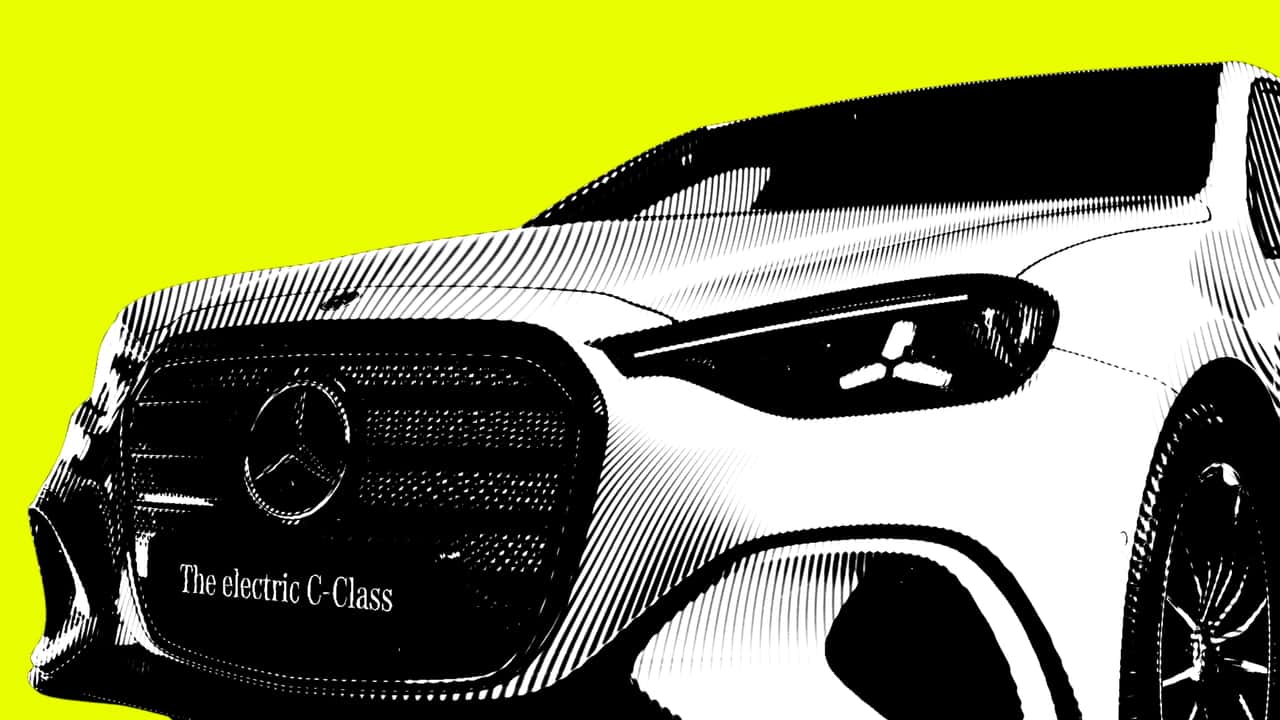
- Mercedes-Benz launched an all-electric C-Class based on a dedicated EV platform, boasting 473 miles of range on the WLTP cycle and rapid charging capabilities.
- The AMG GT 4-Door Coupe has transitioned into an exclusively electric vehicle, offering a top-tier GT63 variant with 1,153 horsepower and three axial-flux motors.
- AMG is reverting to six-cylinder engines for the GLC 53, moving away from complex four-cylinder plug-in hybrid setups that faced consumer criticism.
Analysis
The shift in Mercedes-Benz strategy highlights the inherent difficulty of transitioning toward a fully electric future while maintaining the loyalty of traditional combustion-engine enthusiasts. The move to bring back six-cylinder engines in models like the GLC 53 suggests that the brand is listening to customer feedback regarding performance and engine character. By offering a blend of electrified luxury and traditional performance, Mercedes-Benz is attempting to hedge its bets against the unpredictability of global EV adoption rates.
Furthermore, the introduction of the VLE luxury van underscores an attempt to tap into high-end niche markets. By marketing this vehicle as a 'Grand Limousine' with the option for Maybach luxury trimmings, the company is testing the limits of what a van platform can provide in terms of comfort and prestige. This experimental approach is crucial for a manufacturer seeking to revitalize its image in a crowded luxury space where brand loyalty is increasingly driven by innovation and interior experience.
What This Means
For the consumer, these developments signal a more cohesive and technologically advanced lineup that leans heavily into digital integration and electrification. As the brand updates its core models, the integration of new battery technologies and charging speeds up to 600 kW marks a significant leap in convenience for potential buyers who are skeptical of traditional EV transition times.
However, the reliance on Europe, China, and North America as primary testing grounds for these technologies remains a point of focus. The diverging emissions regulations across these regions—notably the exclusion of V12 engines in Europe—will continue to dictate the availability of high-performance internal combustion options for the foreseeable future.
Conclusion
Mercedes-Benz remains committed to balancing its heritage of luxury craftsmanship with the aggressive pursuit of modern electric engineering. As the company continues its product blitz throughout 2026, the success of this strategy will be measured by its ability to stabilize sales while maintaining its prestigious market standing.