Ferrari's New 'Manual' Isn't What You Think. Here's How It Works
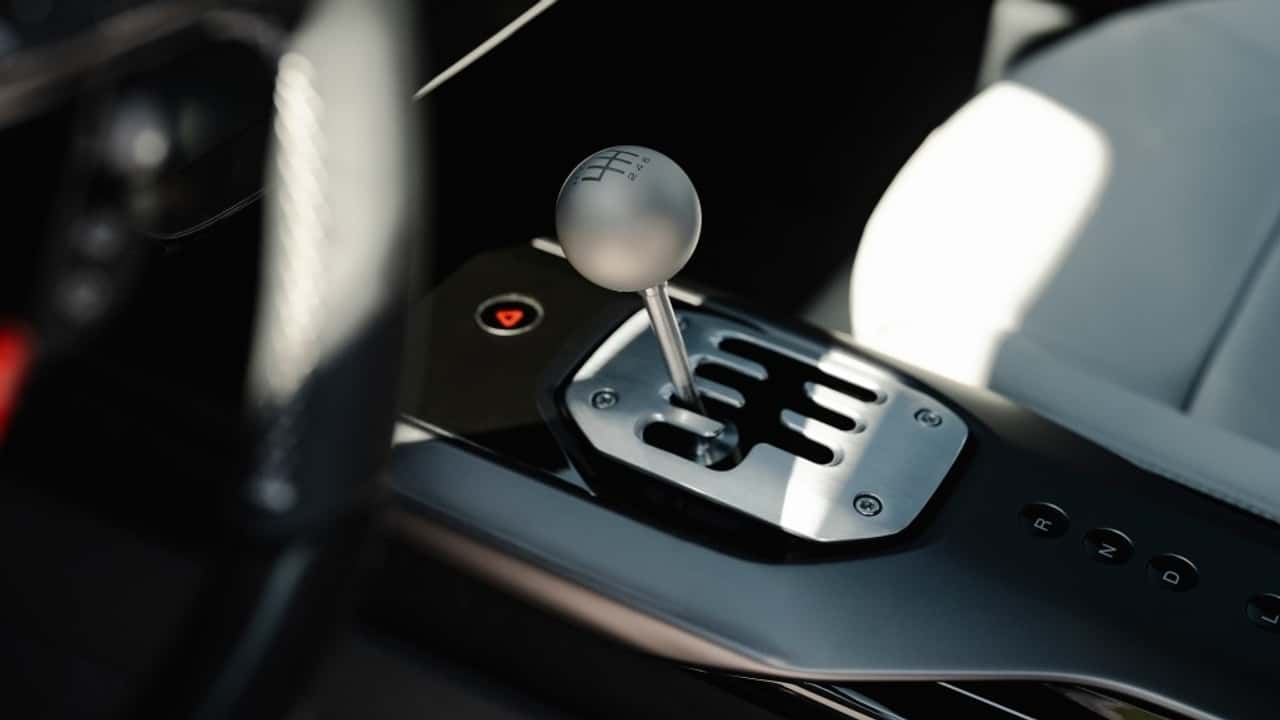
Ferrari's Innovative Manuale By-Wire Technology Explained
Ferrari has unveiled a revolutionary approach to the traditional stick shift with its new "Manuale By-Wire" system featured in the 12Cilindri. While it replicates the physical interaction of a manual transmission, the system is a sophisticated electronic interface rather than a mechanical linkage.
Background / Context
For driving purists, the decline of the manual transmission has been a sore point in the era of high-performance dual-clutch transmissions (DCT). Ferrari, known for its cutting-edge engineering in Maranello, has sought to bridge the gap between modern efficiency and the tactile joy of traditional driving. The 12Cilindri represents the pinnacle of this ambition, blending a naturally aspirated 6.5-liter V12 engine with a driver interface that demands engagement.
Historically, Ferrari has been at the forefront of transmission evolution, moving away from gated shifters toward steering-wheel-mounted paddles. With the 12Cilindri, the manufacturer is reclaiming a sense of analog immersion, even though the underlying hardware remains rooted in the lightning-fast capabilities of a modern DCT. By engineering a system that feels authentic to the human touch while remaining electronically precise, Ferrari aims to satisfy the cravings of enthusiasts without sacrificing the performance of their latest flagship vehicle.
Key Developments
- The Manuale By-Wire system uses a shift lever and a clutch pedal that are not mechanically connected to the transmission, relying instead on electronic signals.
- A specially profiled rotating drum within the shifter assembly creates physical resistance, generating a satisfying "click" that mimics a traditional manual gearbox.
- The clutch pedal uses a passive mechanical system involving a preloaded spring, a cam, and a roller to simulate the specific engagement curve of a physical clutch.
- The vehicle features no paddle shifters, representing a significant shift back to a driver-focused, stick-shift experience where gear changes are manually controlled.
Analysis
The engineering prowess required to make an electronic system feel "real" is substantial. By utilizing Hall-effect sensors and magnetic fields, Ferrari monitors the shifter's position without physical contact, ensuring longevity and consistency. This approach allows the car to prevent "miss-shifts" through electromagnetic solenoids while still allowing for a genuine stall if the driver mismanages the clutch pedal at low speeds.
Furthermore, the acoustic design of the mechanism adds another layer of authenticity. By carefully engineering the sound of the shift assembly, Ferrari ensures that the driver experiences both haptic and auditory feedback similar to what one would find in a vintage Ferrari model. This focus on sensory detail is critical in a vehicle that is being marketed as a return to manual-style driving, even though it is fundamentally an automated transmission underneath.
What This Means
For the average consumer, this technology represents a "best of both worlds" scenario. One can experience the satisfaction of performing a proper heel-and-toe downshift, matching revs, and managing a clutch, all while having the reliability and speed of a modern eight-speed DCT.
This development also indicates that Ferrari is prioritizing driver connection above all else. By eliminating paddle shifters in the manual mode, the brand is forcing a return to old-school driving dynamics, which may influence other performance brands to explore similar "by-wire" haptic solutions to cater to purists who still demand the engagement of a third pedal.
Conclusion
Ferrari has successfully combined the visceral feeling of a classic manual with the performance of modern engineering. Only time will tell if this system will redefine how high-end manufacturers approach the driver-vehicle interface.