US launches strikes on Iran after tankers hit in Strait of Hormuz
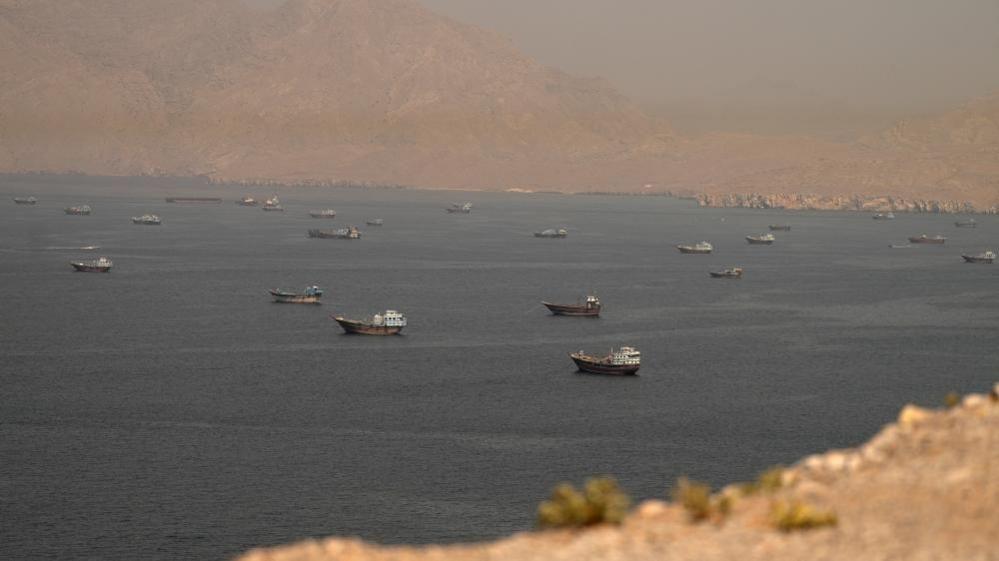
US Launches Powerful Strikes on Iran Following Strait of Hormuz Tanker Attacks
The United States has initiated a series of "powerful" military strikes against Iran in a direct response to recent assaults on three commercial vessels transiting the Strait of Hormuz. This escalation marks a significant turning point in regional stability, threatening to unravel the fragile ceasefire agreement established between the two nations just last month.
Background / Context
The Strait of Hormuz, a critical global maritime artery, has become the epicenter of a new confrontation between Washington and Tehran. Within a 24-hour window, three separate commercial tankers were targeted, prompting an immediate investigation by the UK Maritime Trade Operations (UKMTO). While no casualties were reported among the crews, the structural damage to the vessels signaled a blatant disregard for international shipping safety.
The tension arrives only one month after the signing of a comprehensive memorandum of understanding, which included a 14-point ceasefire agreement and a massive $300 billion reconstruction fund for Iran. Despite the previous diplomatic momentum, the recent aggression has forced the US Treasury to act, revoking a key sanctions waiver that had allowed Iran to trade oil and petrol products internationally. The move effectively halts the economic relief promised to Tehran under the recent deal, with a strict wind-down period ending on July 17.
Key Developments
- The United States Central Command (Centcom) confirmed the commencement of strikes, explicitly stating the intent to "impose heavy costs" for the targeting of innocent civilian crews.
- Qatar and Saudi Arabia have officially denounced the attacks, confirming that tankers from their respective nations were among those struck while navigating the Strait.
- Iran's foreign ministry spokesman, Esmail Baghaei, denied responsibility and criticized the accusations, claiming that vessels failing to coordinate with Iranian authorities face inherent risks in the waterway.
- The US has formally revoked the sanctions waiver that permitted Iranian oil and petrol sales, signaling a shift back to a policy of economic containment and direct military response.
Analysis
The timing of these strikes suggests that the United States is prioritizing the security of international energy supplies over the fragile diplomatic framework signed last month. By taking kinetic action, Washington is signaling to Tehran that the previous "good faith" negotiations are contingent upon strict adherence to the ceasefire. The involvement of regional allies like Qatar and Saudi Arabia underscores the collective anxiety regarding the safety of global energy transit routes through the Strait.
Conversely, Iran's defensive posturing indicates a refusal to accept blame, with official statements framing the tankers' presence as uncoordinated. This fundamental disagreement on maritime protocols creates a dangerous environment where accidents or intentional provocations can easily lead to open conflict. The rapid revocation of economic waivers implies that the US is prepared to sacrifice the recent $300 billion development deal if it believes Iranian aggression remains unchecked.
What This Means
The military exchange effectively puts the recent memorandum of understanding on life support, leaving the regional energy market in a state of high volatility. If diplomatic channels fail to address these violations by the July 17 deadline, the region could face a protracted period of instability, further complicating global oil and gas supply chains.
Conclusion
The volatile situation in the Strait of Hormuz remains fluid as both nations assess the impact of these strikes on their bilateral relations. Future developments depend on whether Tehran chooses to de-escalate or continues to contest international navigation rights in the waterway.